

 Notes from the Editors
October 2026 (Volume 78, Number 5)
 Review of the Month
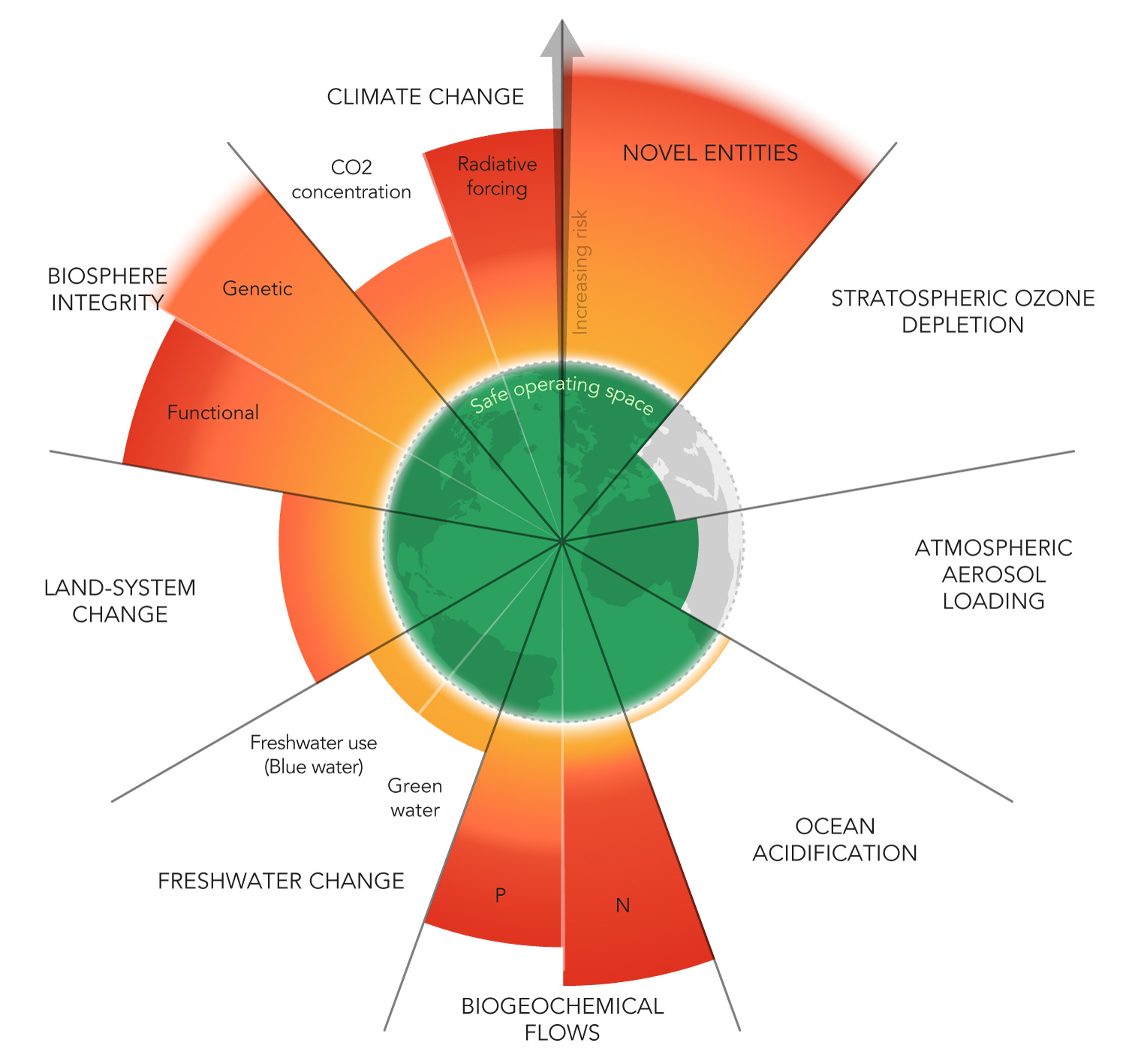
Marxian Ecology and the Critique of AI Capital
 Article
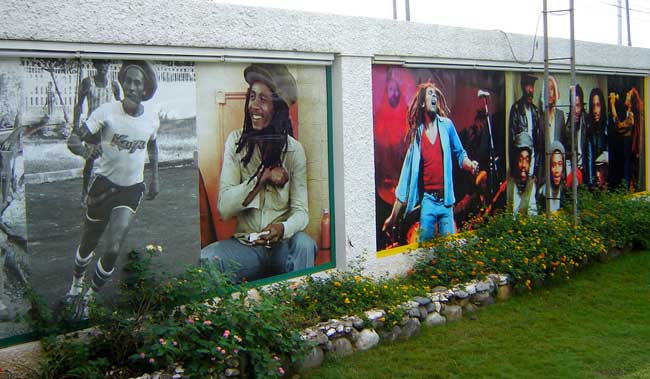
Babylon Burning: Reggae and Black Liberation
 Article
Legal Imperialism: International Law and Dependency in Late Imperialism
 Article
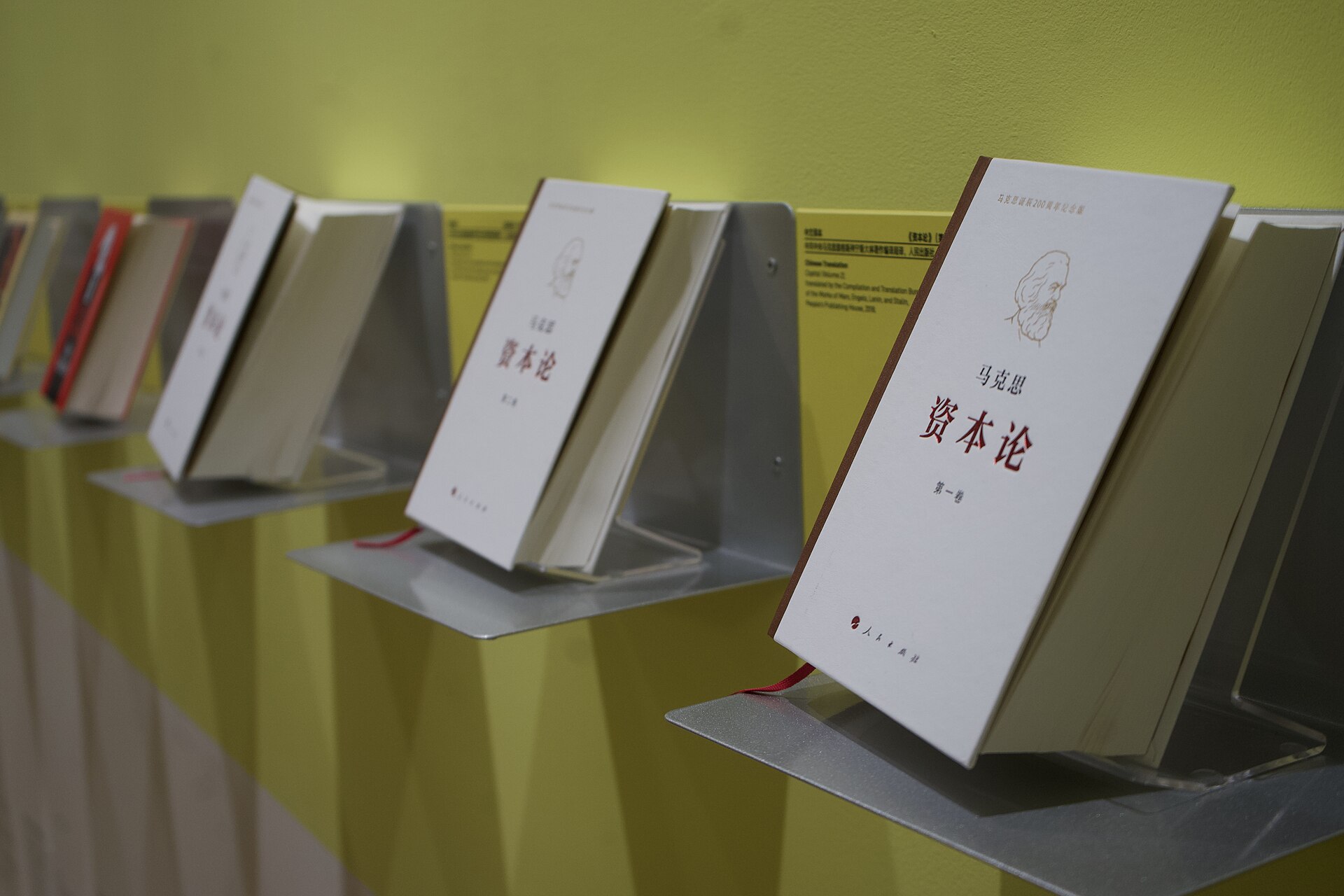
Why Is “Patient Capital” Patient? Rereading ‘Das Kapital’ through Chinese Modernization
 Interview
Materializing the Revolution: The Movement toward Ecosocialism
 Review of the Month
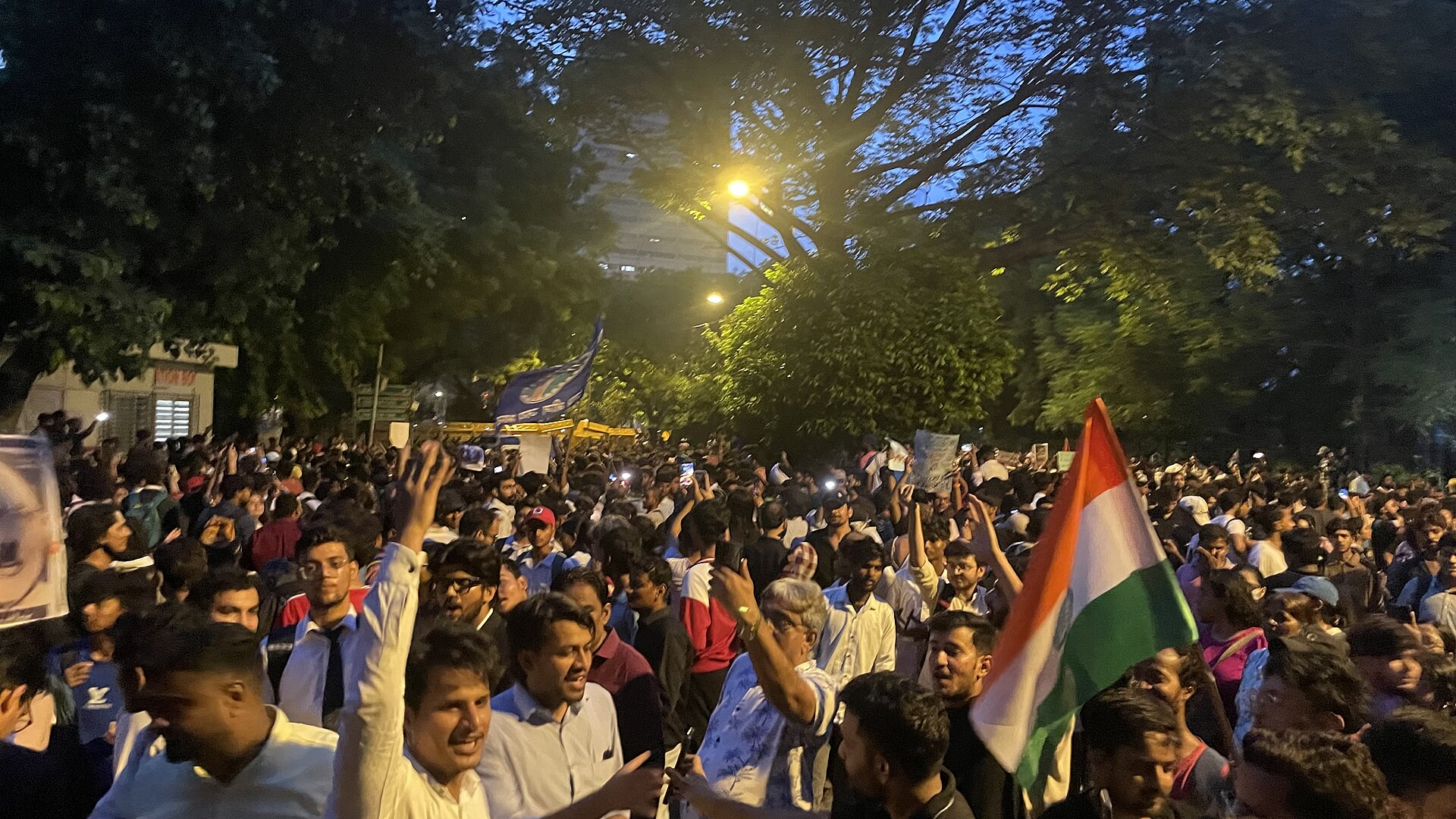
India’s Ruling Classes and the Global Crisis
 Article
José Carlos Mariátegui and Local Traditions of Struggle
 Article
Beyond Scarcity: Thomas Sowell and the Limits of Neoclassical Economics
 Reprise
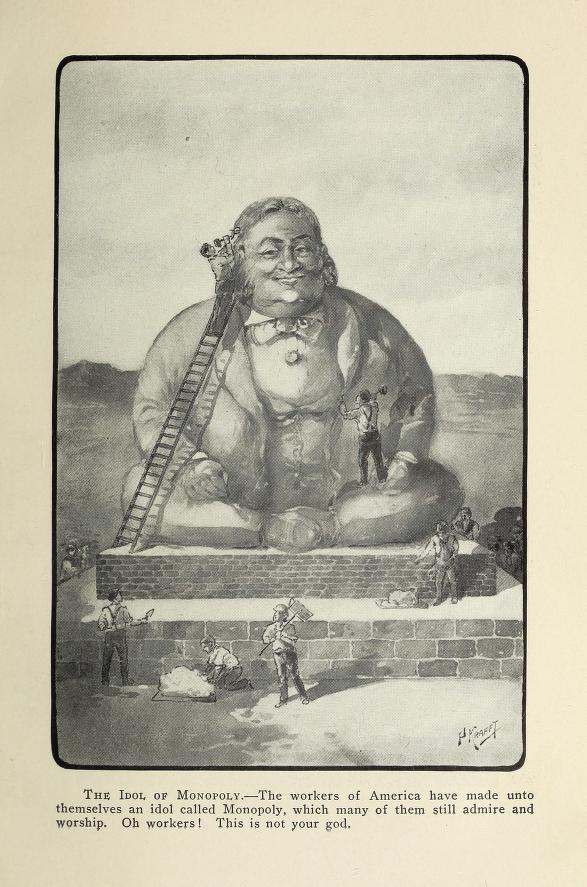
The Economics of Destruction
 Review
Radical Jewish Tradition
 Introduction
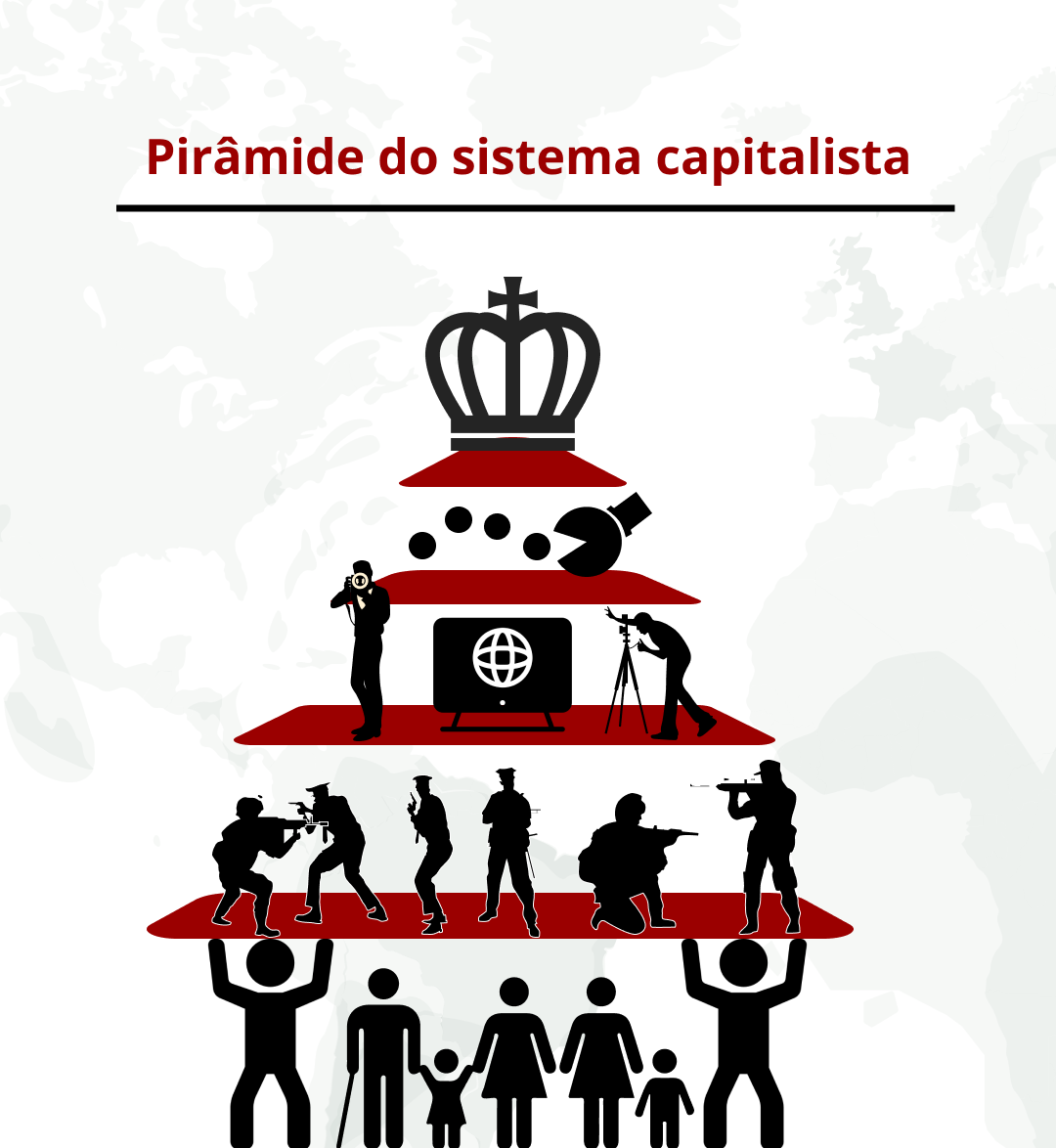
The Global Structural Crisis of Capital
 Article
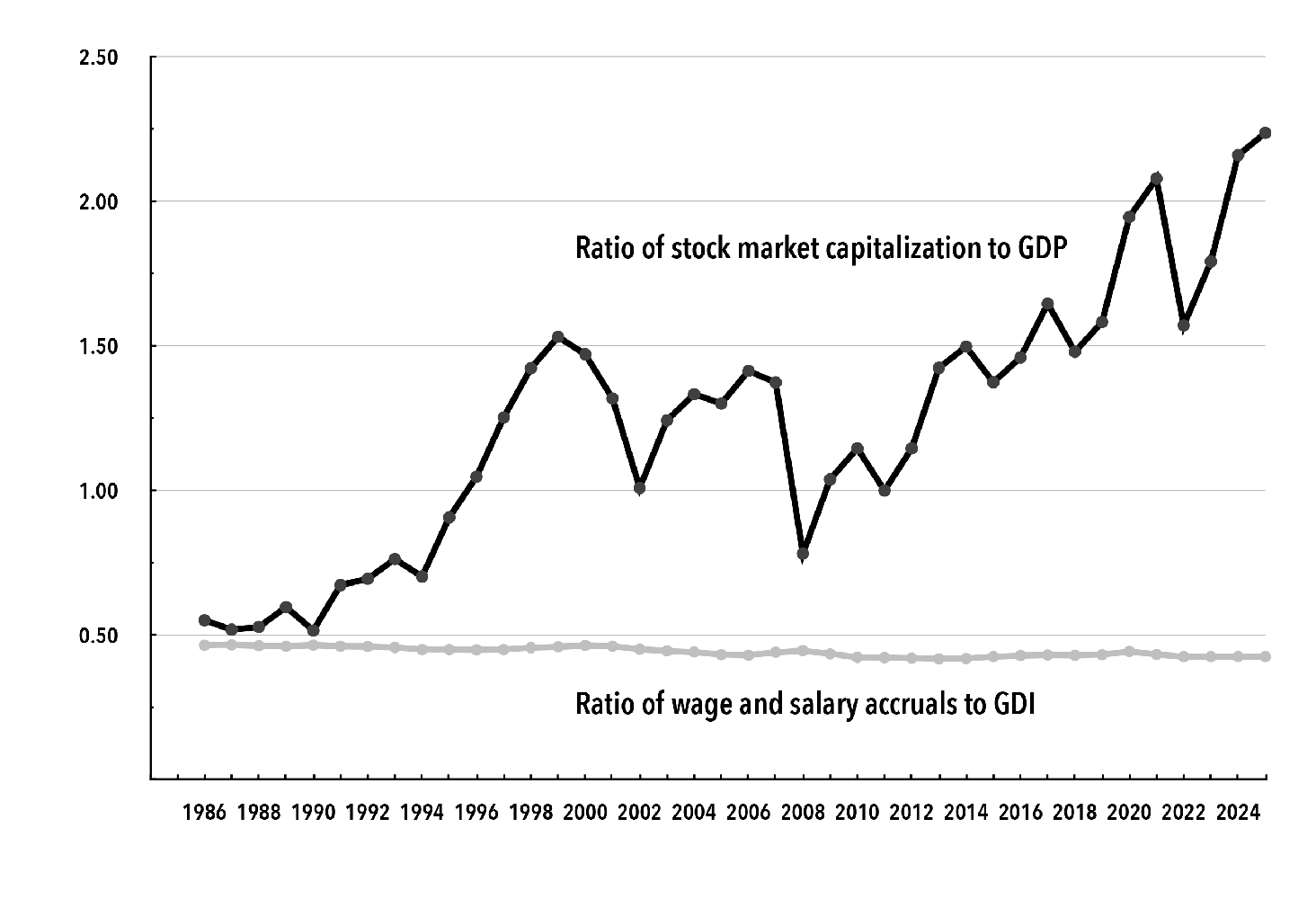
On the Economic Crisis of Capitalism


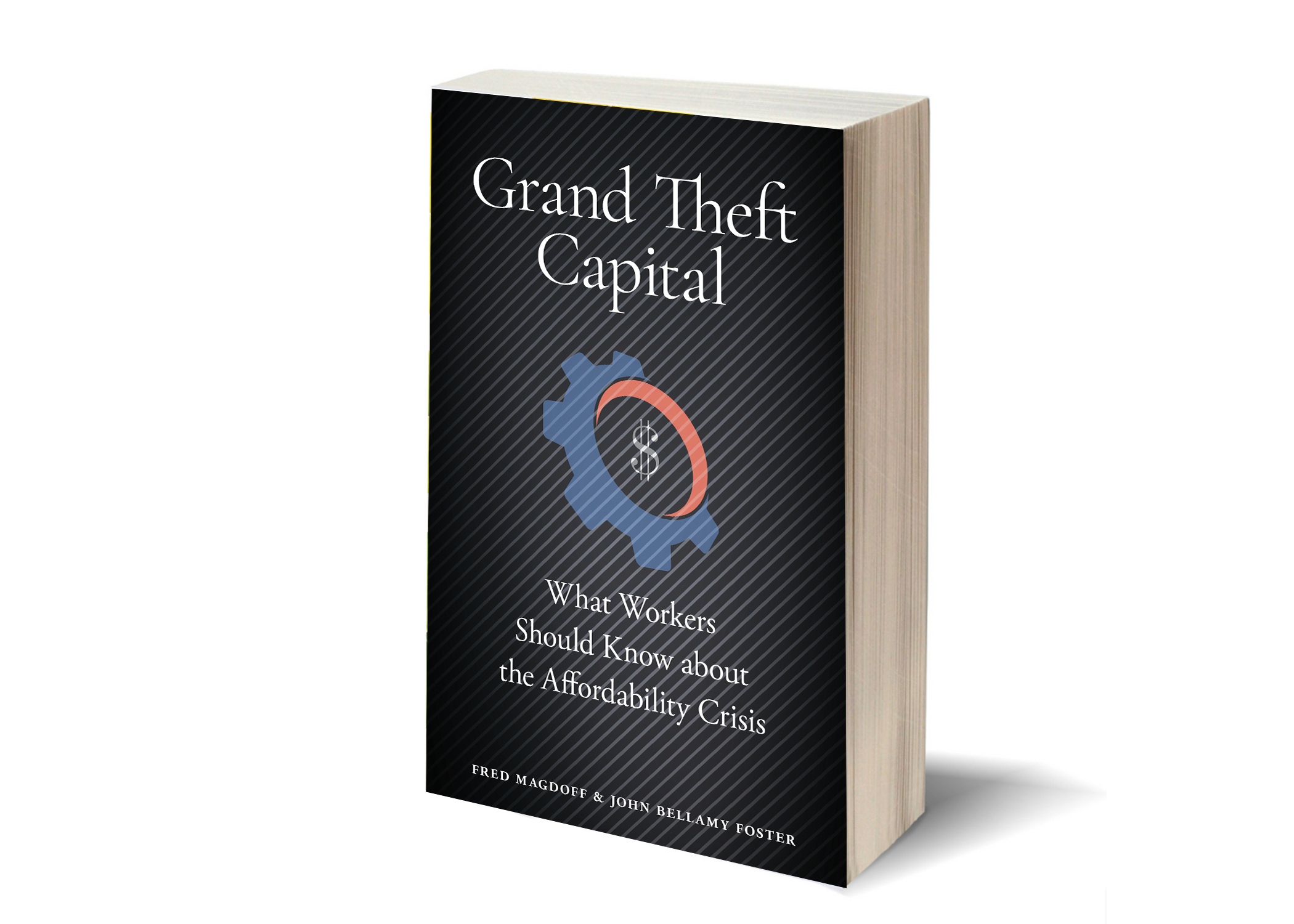
The latest: Red Pepper's David Matthews picks six of the best new books for leftists...
+ read more
LIVE in NYC, October 29th, at CUNY; LIVE in DC, October 30th, at Busboys and Poets; (a couple of days ago at Philly's Free Library)...
+ read more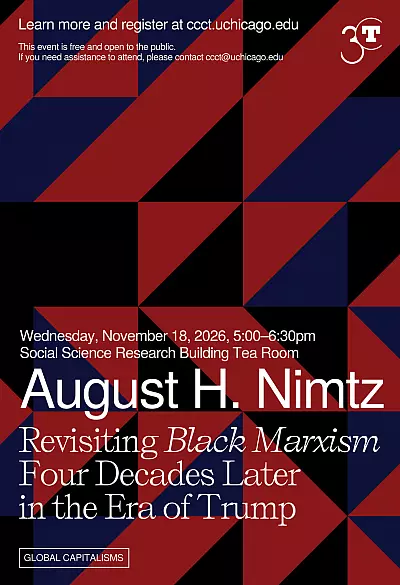
The latest, an interview by Constantin Berlin, for Jacobin: "The recently published collection, 'Black Marxism: A Marxist Critique,' makes accessible, for the first time, a critique that spans four decades and addresses Robinson’s claims and those made by his followers by putting forth an authentic Marxism as the most reliable method for human liberation in the real world and explaining why it remains the guiding principle for the transracial class struggle today...."
+ read more
Will you be in Amsterdam on November 23rd? Head to the social center known as Pakuis de Zwijger for a lively and engaging event with Chris dePloeg together with renowned climate author Jason Hickel (in person), frontline Palestinian surgeon Ghassan Abu-Sittah (joining online) and moderator, climate justice activist and researcher Harriët Bergman. There will also be cultural performances from Chihiro Geuzebroek and brothers Chris and Max de Ploeg, tying their ancestral struggles in Bolivia and Armenia to the global struggle for liberation.
+ read more