Monthly Review Press

Grace Lee Boggs, 1915 – 2015

Grace Lee Boggs, 1915 – 2015

Celebrating the life of the activist and author, who died on the morning of October 5 The following essay by Grace Lee Boggs, which originally appeared in Monthly Review magazine,... READ MORE
Wall Street’s Think Tank reviewed in Counterpunch (again!)

Wall Street’s Think Tank reviewed in Counterpunch (again!)

Contemporary history is neither a series of random occurrences nor the predetermined plaything of a small cabal of super-empowered conspirators. The truth is somewhere in-between. A sizeable cadre of class- and system-conscious deep-state and imperial planners from the heights of concentrated private and governmental power join together to shape the outlines of much of recent history.

Peter Custers, 1949 – 2015

Peter Custers, 1949 – 2015

Monthly Review author Peter Custers died at his home in Leiden, the Netherlands on Tuesday, September 3rd, of a heart attack. See obituary in the Bangladeshi newspaper, The Daily Star... READ MORE
Your Time is Done Now reviewed in Repeating Islands

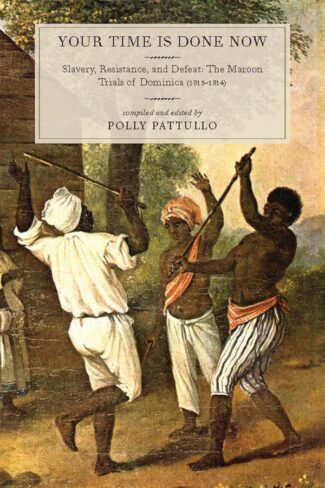
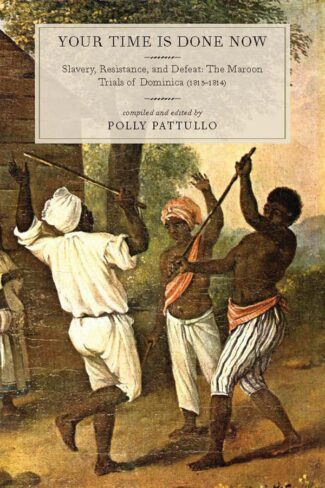
Your Time is Done Now reviewed in Repeating Islands

Polly Pattullo’s very important piece entitled Your Time is Done Now: Slavery, Resistance and Defeat: the Maroon Trials of Dominica (1813-1814), is an edited collection of original primary source documents with contextual commentary detailing the account of what has been known as Dominica’s Second Maroon War in 1813 and 1814. Pattullo, a British writer and creator of her own publishing company entitled Papillote Press, uses the actual court documents of the Maroon (runaway slave) trials as well as correspondences between the British colonial government officials to disclose to public the eventful conflict between the Maroons and the colonial government of Dominica in the second decade of the nineteenth century.

Race in Cuba reviewed in Science & Society

Race in Cuba reviewed in Science & Society

Race in contemporary Cuba is a delicate and hotly contested issue. What most agree is that pre-1959 Cuba was characterized by a stark racial inequality which, rooted in a relatively recent history of slavery (abolished only in 1886), was addressed after January 1959 by legally eliminating its more evident institutional manifestations, by a social program which particularly benefited those at the bottom of the old social structure, and by a mass emigration which initially was predominantly (83.5%) white. More recently, we know that after the 1990s’ traumatic crisis (following the Soviet and socialist bloc collapse) and the unprecedented changes to counter that crisis (including increased tourism and toleration of the U. S. dollar), inequality partly returned, as remittances from relatives abroad disproportionately benefited whites.