In Australia? Join the September 11-13 Ecosocialism 2026 gathering!
September 8, 2026
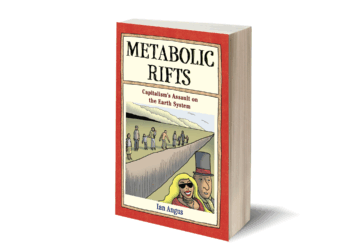
If you're in Australia, make sure to go see Ian Angus at Ecosocialism 2026, representing the journal Climate and Capitalism, and offering his book in person! Capitalist imperialism is promoting the far right everywhere, enforcing neoliberal policies, and imposing military aggression and recolonisation on weaker nations. It has no answers to the climate crisis and no solutions for housing and cost of living. The Ecosocialism 2026: Resistance, decolonisation, liberation conference will bring together activists from across the Asia-Pacific and beyond to share experiences in how we can resist Capitalism's depravity and build the mass movements we need for system change. Featuring: Sabrina Fernandes; Ian Angus; Ayesha Ahmad; Remah Naji; and more....