
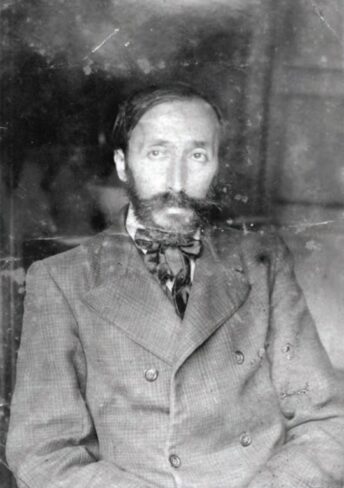
William Costa, on the anarchist journalist Rafael Barrett (‘The Guardian’)
February 27, 2026
Anarchist chronicler of ‘Paraguayan sorrow’ – once known only in radical Latin American circles – is finally being recognized in his adopted country....
February 27, 2026
Anarchist chronicler of ‘Paraguayan sorrow’ – once known only in radical Latin American circles – is finally being recognized in his adopted country....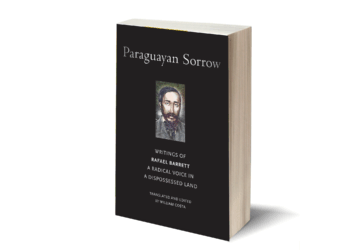
February 23, 2026
Barrett has always been close to the hearts of Paraguayan radicals, who, along with his progeny, have kept his memory alive. And he is known throughout the Southern Cone of South America, though his work has suffered long periods of relative neglect there. However, there has been a resurgence of interest in his life and work. We hope that with the publication of this first English translation of his major work, which includes his powerful set of essays The Truth of the Yerba Mate Forests, the life and works of Rafael Barrett will inspire readers in the English-speaking world. His words speak to today’s workers and peasants as they did to their Paraguayan counterparts more than 100 years ago....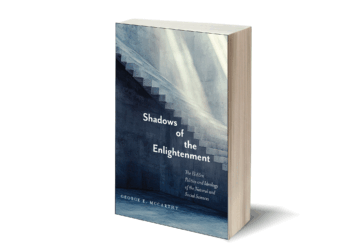
January 22, 2026
Journal of Economic Literature, December 2025 (Volume 63, no. 4): “Examines the hidden metaphysics and politics of the modern natural and social sciences, focusing on their implications for diagnosing and... READ MORE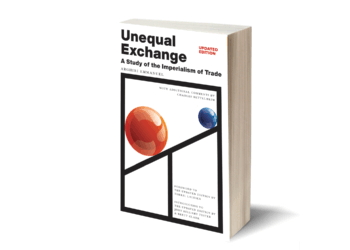
January 16, 2026
This January, scholars and activists from around the world will come together for the inaugural convening of UE21, Unequal Exchange in the Twenty-First Century, hosted by the Arghiri Emmanuel Association, and Anti-Imperialist Network.January 8, 2026
Now available as an audio book: Listen to the full book by searching for Kudoslive on YouTube… In the public eye: Cosmonaut: Cosmonaut covered the history of the Venezuelan communal... READ MOREJanuary 7, 2026
On January 3, 2026, at two o’clock in the morning, the United States declared war on Venezuela by bombing several strategic sectors of the capital and kidnapping the elected president, Nicolás Maduro. The latter, the victim of a betrayal at the highest level, was captured by elite troops from U.S. Special Forces during an operation that lasted barely half an hour. He was transferred to New York, accompanied by his wife, Cilia Flores, who was also seized during Operation Absolute Resolve.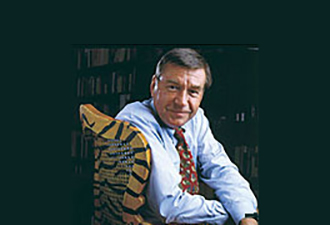
January 6, 2026
Michael Tigar Human Rights and Global Justice Cohort Michael E. Tigar has had a legendary career. While many know him as a high-profile defense attorney, that label does not begin... READ MORE
December 22, 2025
Socialist History: Issue 67, by Dianne Kirby “The cover of part two of Helena Sheehan’s autobiography, Until We Fall: Long Distance Life on the Left, is inspired by Geliy Korzhev’s... READ MORE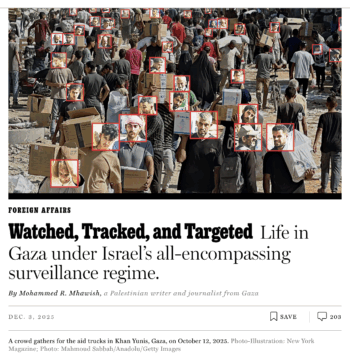
December 3, 2025
Life in Gaza under Israel’s all-encompassing surveillance regime BY MOHAMMED R. MHAWISH THE INTELLIGENCER In the days before we reached the Netzarim checkpoint in Gaza in early April 2024, my... READ MORE
February 25, 2024
At first no one would touch Stone’s findings – they were too hot. But Stone got in touch with Monthly Review -- and this was the first book we published. Courageously written at the height of the McCarthy era, officials never refuted nor denied the book’s claims, but Stone’s book still got a real audience due to the durable reputation of the journalist himself. Christine Hong, MR author Marty Hart-Landsberg, and Gregory Elich (each of the Korea Policy Institute) and Time Beal discuss...