October 1, 2025
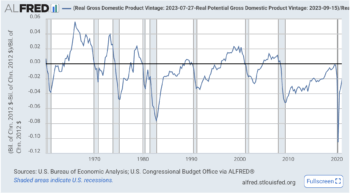
Michael Meeropol, Howard J. Sherman, and Paul D. Sherman give an account of how mainstream economists came to adopt the idea of secular stagnation, even without recognizing its origins in the work of Marxist economist and
MR founder Paul M. Sweezy. The turn, they write, came in the wake of the Great Recession, when the tendency toward stagnation in the U.S. economy became undeniable.
September 1, 2025
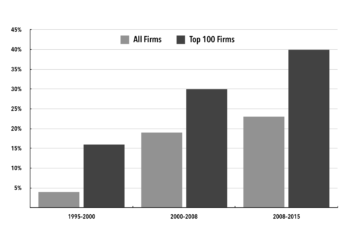
Jayati Ghosh illuminates how capitalism has exacerbated inequality not only due to market forces, but as a result of how wealthy countries and firms based within them have tilted the scales toward themselves, disenfranchising the rest of the world in the process. This pervasive economic inequality, Ghosh concludes, undermines the idea and practice of true democracy.
September 1, 2025
In 2003, Haitian president Jean-Betrand Aristide publicly called for France to pay reparations to Haiti—and less than a year later, was whisked away from the island via U.S. military aircraft. Steve Cushion sheds light on the colonial and neocolonial relationships that have imposed crushing debt on Haiti and its people, and their continuing implications for Haiti's development.
September 1, 2025
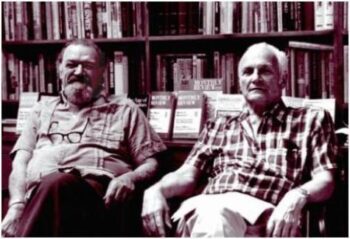
"Assume a ship under the command of a mad captain headed for certain shipwreck. What would freedom mean to the people on board?" asked
MR cofounder Paul M. Sweezy in this previously unpublished discussion piece. "There can hardly be any doubt about the answer…the essence of freedom for the people on the ship is the ability to control their
collective fate."
July 1, 2025
This month's "Notes from the Editors" discusses the accelerating progress of China toward sustainability. China's decline in carbon emissions and rapidly decarbonizing energy sector demonstrates the importance of societal realignment and extensive planning to shift toward the ecological modernization that has continued to elude monopoly-capitalist regimes.
July 1, 2025
Brian M. Napoletano revisits the concept of generalized autogestion, traditionally defined broadly as "self-management," placing it in the context of an ecological path to socialism. Using this orientation, Napoletano leads to reader to consider the potential of socioecological approaches to repairing the metabolic rift and pursuing sustainable human development.
July 1, 2025
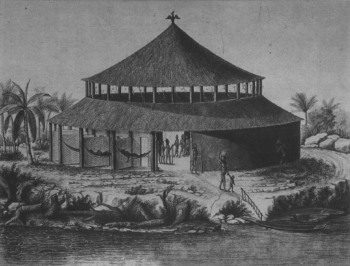
"To tell the history of resistance," Roberta Traspadini writes, "we need to investigate the territories where people live their daily lives." Using both historical analysis and contemporary data, Roberta Traspadini reveals the importance of Brazilian Quilombola communities as local sites of struggle against colonialism, capitalism, and imperialism. These quilombagem, she argues, reveal the revolutionary legacy that persists among the most marginalized in Brazilian society.
July 1, 2025
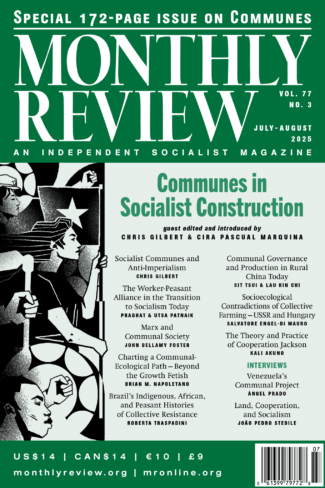
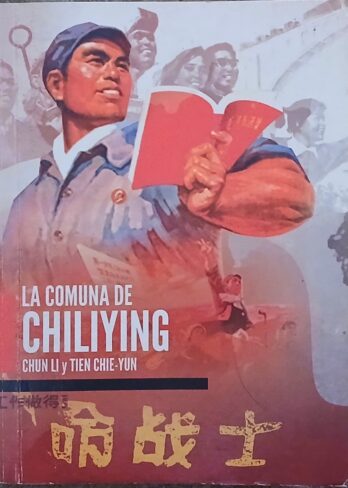
Inside a People's Commune is a short 1974 book documenting life in the Chiliying Commune, one of the earliest in revolutionary China. The text explores the commune's organization, challenges, achievements, and mass-based character. Hugo Chávez later drew inspiration from the book, citing it when launching Venezuela's communal project. Today, it continues to serve as a pedagogical tool for Venezuelan communards working to build a unified system of socialist self-government.
June 1, 2025
In this third installment of
MR's series on the MAGA movement, John Bellamy Foster explores the dramatic shift in U.S. imperialism that began with the first Trump presidency and has accelerated in his second. The shift, Foster explains, is not one driven by anti-imperialism and anti-militarism but rather represents a hard shift to the right fueled by hypernationalism and the goal of recapturing U.S. power on the world stage.
June 1, 2025
In an age of cutting-edge medical science, how do the world's largest pharmaceutical companies stifle innovation in order to juice profits and remain competitive in the international markets? The answer, Jia Liu writes, can be found in the concept of monopoly capitalism. This brand of "intellectual monopoly capitalism," she notes, contributes to "a logic of expropriation and rent-seeking," leading in turn to "closed science and declining medical innovation."