April 1, 2026
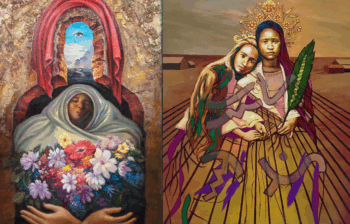
Michael Viola explores the building of the Filipino identity in the context of U.S. imperialism. The broad-reaching effects of this "deadliest phase of imperialism," combined with pervasive anti-Asian racism in the United States, fuels the idea of a collective political project that "comes with the praxis, the power, and the price of a unique lineage" extending across an ocean and intimately connected to the dark history of U.S. militarism abroad.
March 1, 2026
A new poem by Linda Backiel.
February 1, 2026
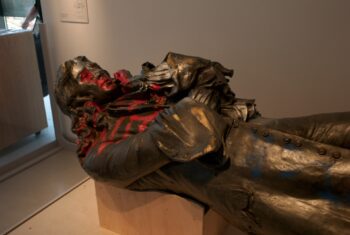
Using historical databases and quantitative analysis, Thomas E. Lambert calls into question the assertion that the trans-Atlantic slave trade can be considered a separate phenomenon from, rather than a major supporting factor in, the Industrial Revolution in England. Asserting otherwise, he writes, is a to deny "a horrifying and inhuman part of the global history of capitalism."
February 1, 2026
A new poem by Marge Piercy.
January 1, 2026
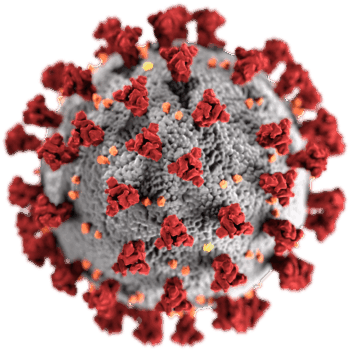
David E. Perlman and Ashly Vigneault explore the linkages between humanity's metabolic rift with nature and the accelerating emergence of epidemics, which are fundamentally related to the capitalist mode of production and concomitant alienated social metabolism. Using historical and epidemiological research that extends from the rise of the bubonic plague to the emergence of COVID-19, Perlman and Vigneault are able to deftly tie these concepts to the breach of planetary boundaries that threatens all of humanity.
January 1, 2026
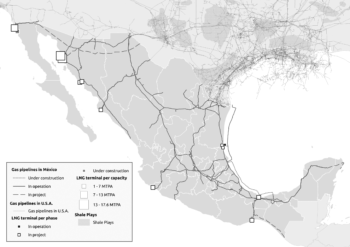
Mateo Crossa delineates the history of U.S. imperialism in Mexico through the lens of its domination of the fossil fuel industry, particularly by way of the Shale Revolution and the advent of fracking. "By engineering new regional dependencies and reshaping energy alliances to suit is strategic ambitions," Crossa writes, "the United States weaponized its command over natural gas to deepen its grip on the global fossil energy system and reinforce its imperial reach."
December 1, 2025
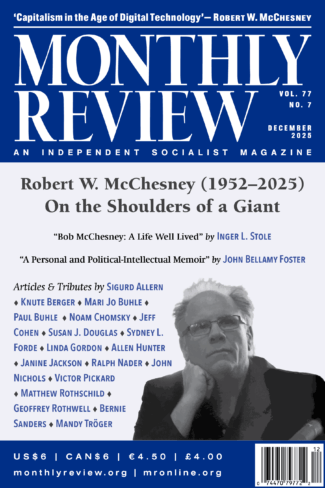
As part of our special issue on the legacy of former
MR coeditor Robert W. McChesney, December's "Notes from the Editors" revisits his prescient insight into the rise of neofascism in the U.S. While the threat is undeniable, he wrote, "the good news…is that there is nothing inexorable about the victory of fascism. There is another road out, and that road is socialism."
December 1, 2025
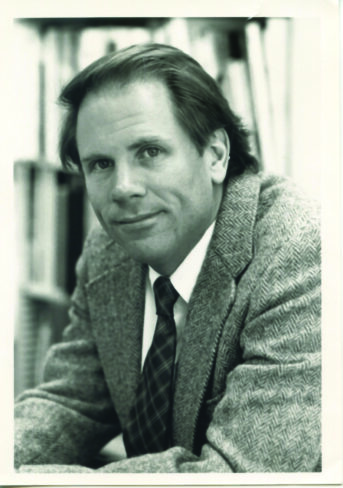
John Nichols, Robert W. McChesney's longtime collaborator and frequent coauthor, celebrates McChesney's near-clairvoyant thought and scholarship. Nichols notes that McChesney's impressive foresight enabled him to see the pitfalls of the digital age long before the Internet became a tool for the worst impulses of the elites under capitalism.
November 1, 2025
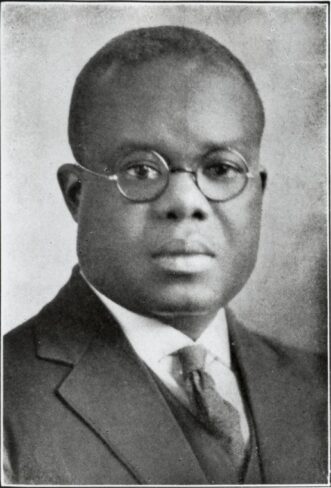
Paul Buhle reviews
Hubert Harrison: Forbidden Genius of Black Radicalism, a new biography of the seminal—yet previously lesser known—activist and journalist, Hubert Harrison. Through this new intellectual and cultural study of Harrison's remarkable life and work, Buhle writes, author Brian Kwoba tells a story of a man ahead of his time in challenging white supremacy and capitalism through Black radical thought.
September 1, 2025
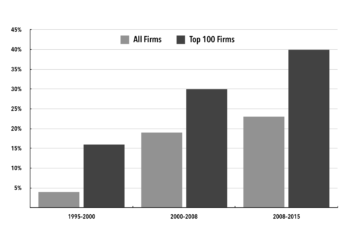
Jayati Ghosh illuminates how capitalism has exacerbated inequality not only due to market forces, but as a result of how wealthy countries and firms based within them have tilted the scales toward themselves, disenfranchising the rest of the world in the process. This pervasive economic inequality, Ghosh concludes, undermines the idea and practice of true democracy.