January 1, 2026
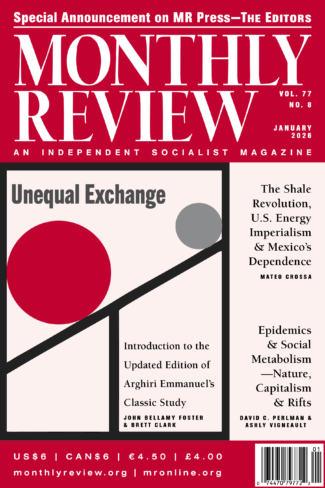
This month's "Notes from the Editors" celebrates the accomplishments of Michael Yates, who is retiring as editorial director of Monthly Review Press. Michael's books and articles have had a tremendous impact on the work of Monthly Review as a whole, and will be sorely missed. The editors also welcome the new editorial director of the Press, Arun Kundnani, an accomplished scholar who promises to carry on the MR tradition while bringing a fresh perspective to our collective efforts.
January 1, 2026
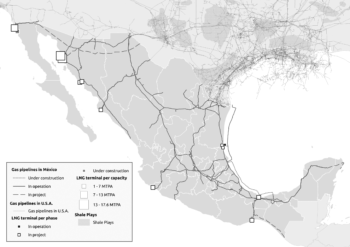
Mateo Crossa delineates the history of U.S. imperialism in Mexico through the lens of its domination of the fossil fuel industry, particularly by way of the Shale Revolution and the advent of fracking. "By engineering new regional dependencies and reshaping energy alliances to suit is strategic ambitions," Crossa writes, "the United States weaponized its command over natural gas to deepen its grip on the global fossil energy system and reinforce its imperial reach."
December 1, 2025
As part of our special issue on the legacy of former
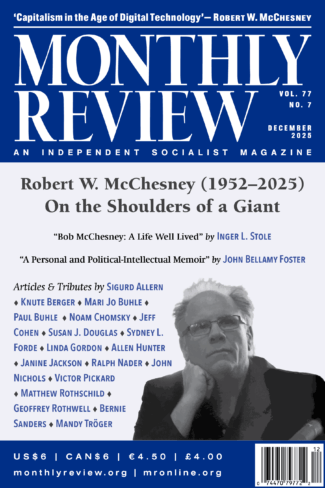
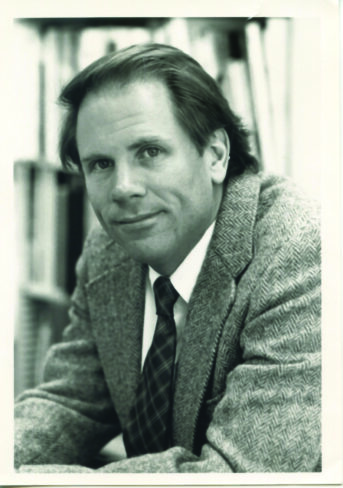
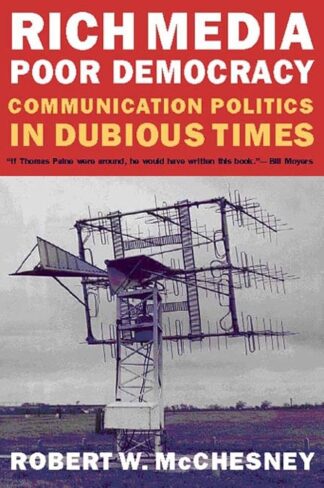
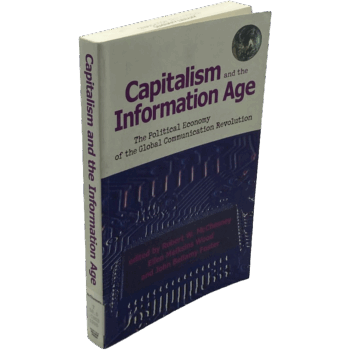
MR coeditor Robert W. McChesney, December's "Notes from the Editors" revisits his prescient insight into the rise of neofascism in the U.S. While the threat is undeniable, he wrote, "the good news…is that there is nothing inexorable about the victory of fascism. There is another road out, and that road is socialism."
December 1, 2025
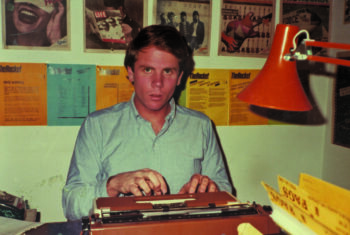
In this deeply personal essay, communication scholar Inger Stole shares with readers a glimpse into her life with Robert W. McChesney, her husband of 37 years. Stole reveals the depth of feeling with which McChesney approached all aspects of life, from his work as an intellectual and advocate to his role as a father and life partner.
December 1, 2025
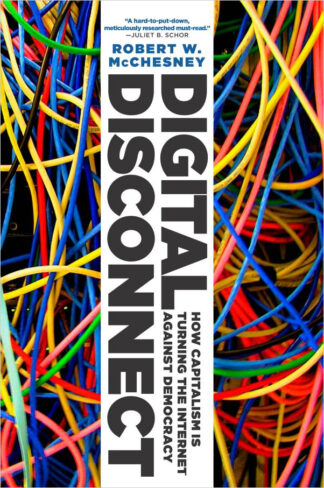
John Nichols, Robert W. McChesney's longtime collaborator and frequent coauthor, celebrates McChesney's near-clairvoyant thought and scholarship. Nichols notes that McChesney's impressive foresight enabled him to see the pitfalls of the digital age long before the Internet became a tool for the worst impulses of the elites under capitalism.
December 1, 2025
Matthew Rothschild looks back on nearly 40 years working alongside his friend and colleague Robert W. McChesney. McChesney, he writes, brought to the world a sharp analysis of not only the contradiction between corporate media and democracy, but between the capitalist system as a whole and a true democracy that serves the people.
December 1, 2025
Sigurd Allern echoes Robert W. McChesney's call for an insurgent communication scholarship that extends beyond the borders of academia and understands media not just as an industry, but as a public good and—critically—key infrastructure for functioning democracy.
December 1, 2025
Mandy Tröger and Sydney L. Forde explore the impact that Robert W. McChesney's work has had on both the communication field and on their work as the new generation of scholars. "To honor [McChesney]," they write, "is not to look up in awe, but look out…toward the unfinished work of building a more democratic field and society."
December 1, 2025
Victor Pickard celebrates the passion and clarity that Robert W. McChesney brought to his work as an author, media advocate, and founder of Free Press—and in particular, McChesney's bold proposals for a publicly funded and democratic model of local journalism designed to serve communities, rather than corporate interests.
December 1, 2025
In this transcript of a talk from 2015, Robert W. McChesney discusses the "great definitional communication revolutions" that have shaped humanity's trajectory. Even a decade ago, McChesney was able to see the fraught relationship between new technology and democracy, the re-emergence of fascism, and the political dangers of the Digital Age.